Nirali N. Shah, MD, MHSc, a nationally-recognized pediatric oncologist at the National Cancer Institute (NCI), has been appointed Professor and Director of the Pediatric/Adolescent and Young Adult Cell and Gene Therapy Program at University of Maryland School of Medicine. She will also serve as Associate Director for Translational Research for the University of Maryland Marlene and Stewart Greenebaum Comprehensive Cancer Center (UMGCCC).
News

Nirali Shah, MD, MHSc 
Enrico M. Novelli, MD, MS Dr. Enrico Novelli Also Heads Newly Launched University of Maryland Medical System Sickle Cell Disease and Classical Hematology Network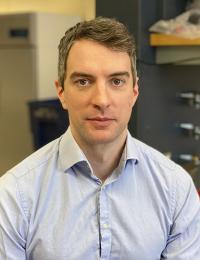
Tim Luetkens, MD University of Maryland School of Medicine (UMSOM) Researchers have identified a target that may improve the response of CAR T-cell therapy, a treatment for patients with recurrent or difficult to treat blood cancers.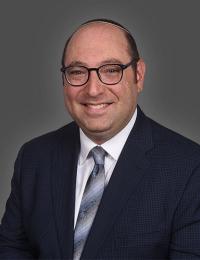
Ariel Fromowitz, MD The University of Maryland Greenebaum Comprehensive Cancer Center (UMGCCC) is the first in the Maryland, Delaware, Virginia, and Washington D.C. region to offer an innovative cell therapy treatment for patients with an advanced type of soft tissue cancer, known as synovial sarcoma. This single-infusion T-cell therapy, called TCR-T therapy, involves engineering a patient’s own white blood cells to recognize and attack cancer cells.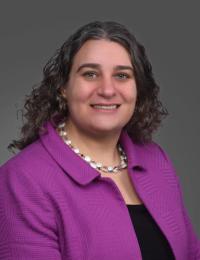
Elana Fertig, PhD Findings Help Explain Why Many Precursor Lesions Never Develop Into Pancreatic Cancer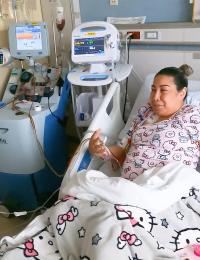
Jessica Ceja Doctors at the University of Maryland Medical Center Treat 41-Year-Old Patient with Her Own Genetically Modified Stem Cells in a Promising Chance for a Cure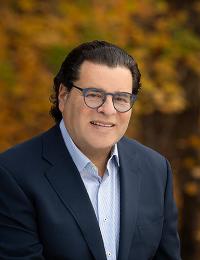
Michael Greenebaum Funding Designated for the University of Maryland Greenebaum Comprehensive Cancer Center Extends Family’s 30-Year Legacy of Philanthropy, Commitment to Health Care and Community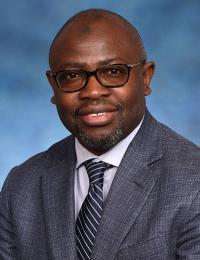
Taofeek K. Owonikoko, MD, PhD The University of Maryland Marlene and Stewart Greenebaum Comprehensive Cancer Center (UMGCCC) has been awarded a prestigious $3 million National Cancer Institute (NCI) Career Development Award to train the next generation of oncology researchers focused on treating patients of all backgrounds.
Daria Gaykalova, PhD Genetic ancestry plays a key role in determining the behavior of head and neck tumors and may help explain why African-American patients survive for half as long as their counterparts of European ancestry, according to a new review study led by researchers from the University of Maryland School of Medicine’s (UMSOM) Institute for Genome Sciences (IGS) and the University of Maryland Greenebaum Comprehensive Cancer Center (UMGCCC).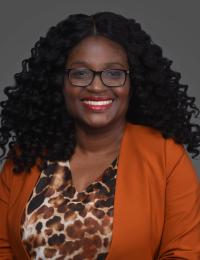
Shella Saint Fleur-Lominy, MD, PhD Lower survival rates in Black leukemia patients treated with intensive chemotherapy not linked to differences in genetic profiles