Previous Mentors
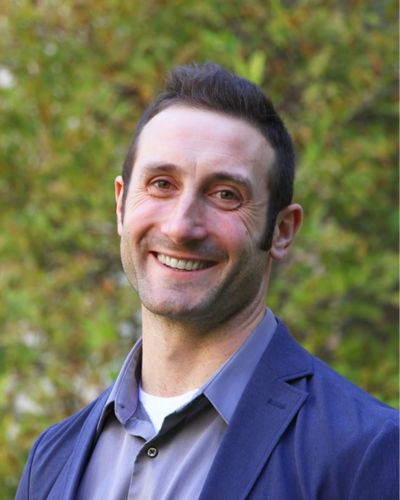
Ian Kleckner
Ian Kleckner, PhD, MPH, is Director of the Cancer Control Mind & Body Lab and Associate Professor at the University of Maryland Baltimore. He studies how cancer chemotherapy causes side-effects such as neuropathy and distress, and how to treat these symptoms using exercise and healthy eating. He uses methods from psychophysiology (measuring heartbeats, skin conductance), neuroimaging (fMRI), exercise science, and behavioral science with computational approaches honed from his background from physics and biophysics.
“NSIP is more than a summer research program. It is a catalyst that inspires students to explore big questions, rise to new challenges, and recognize their potential to make a difference in the lives of people affected by cancer. Working alongside world-class researchers, students gain hands-on experience, build lasting connections and friendships, and watch curiosity transform into confidence – because there is no ceiling to what researchers can achieve when we work together.”
-Ian Kleckner, Ph.D., M.P.H., NSIP Co-Director, 2026
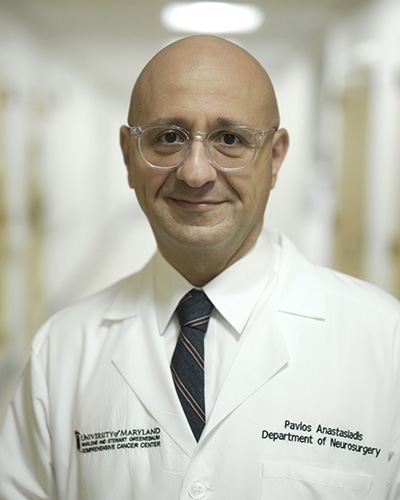
Pavlos Anastasiadis
Dr. Anastasiadis’s laboratory focuses on developing focused ultrasound (FUS)-based therapeutic and diagnostic strategies for brain tumors, with particular emphasis on controlled modulation of the blood-brain barrier (BBB), neuro-oncology, and translational image-guided interventions. The lab integrates quantitative acoustic dosimetry, cavitation monitoring, MRI, histopathology, and molecular analyses to study BBB opening, therapeutic delivery, sonobiopsy, and treatment response in preclinical and clinically informed models. A central goal of this work is to advance precise, noninvasive platforms that improve drug delivery, tumor characterization, and treatment efficacy for patients with malignant brain tumors.
“My goal is to give students clear guidance and room to think independently. With NSIP students, I connect each task to the broader scientific question and create an environment where asking questions and discussing uncertainty are part of learning.”
-Pavlos Anastasiadis, 2026
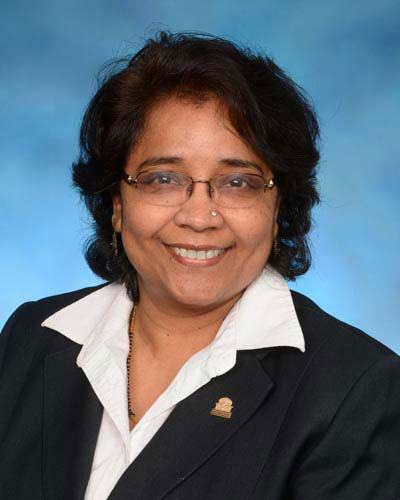
Aditi Banerjee
Dr. Banerjee’s research program focuses on developing mechanism-based therapeutics for cancer using molecular, biochemical, and advanced three-dimensional model systems. Her work has established important roles for unfolded protein response and endoplasmic reticulum stress (ER) stress pathways in cancer cell death, identified the FoxM1-RASSF1A axis as a therapeutic target in metastatic colon cancer, and supported studies of Wnt/β-catenin signaling in tumor progression and therapeutic response.
Recently, Dr. Banerjee has expanded her focus to pediatric brain tumors, especially treatments for medulloblastoma. She is currently testing VNPP433-3β in preclinical studies for medulloblastoma and exploring signaling pathways, such as those linked to β-catenin, non-coding epigenetic mechanisms, and nanobiomedicine-based methods that could lead to better treatments for this devastating pediatric malignancy.
“My philosophy focuses on open communication, resilience, and growth in both technical and professional areas. Producing data alone isn't enough for students to succeed in a competitive academic world. With my NSIP mentees, I set a realistic project scope, stayed involved, and encouraged them to take ownership of their experiments.”
-Aditi Banerjee, 2026
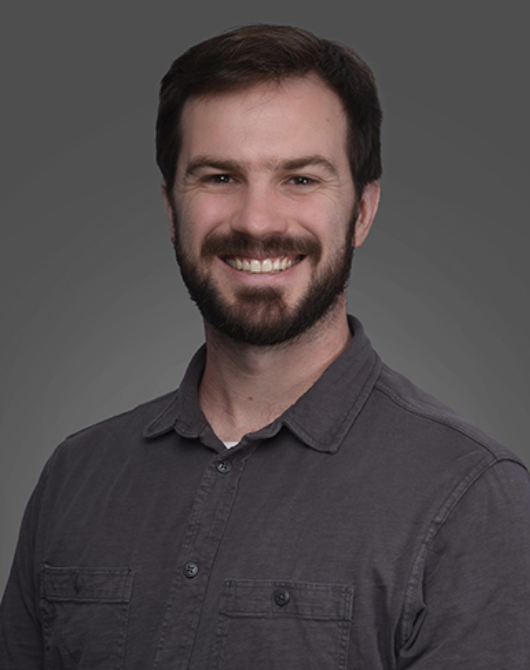
Daniel Bergman
Dr. Bergman develops agent-based and mathematical models to investigate tumor-immune dynamics at the cell and tissue scale. His research integrates multiomics data to ground simulations in biological reality, with the goal of informing therapeutic interventions and advancing precision oncology.
“NSIP gives young scientists a hands-on experience with real research questions and tools, offering them the space to explore scientific questions of interest to them. I want the students to leave the program with the sense that they belong in a research environment, learning that they can actually ask questions, use the tools, and arrive at answers.”
-Daniel Bergman, 2026
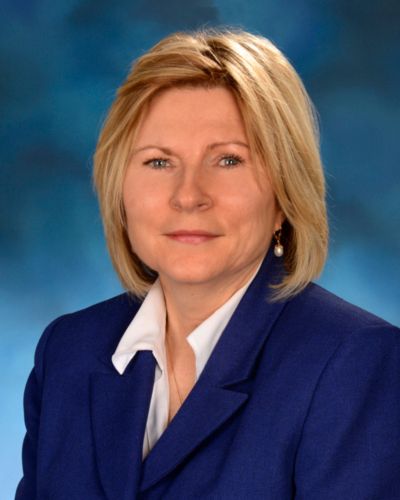
France Carrier
Dr. Carrier is an internationally renowned basic and translational cancer researcher, with specific training and expertise in genotoxic stress response and cancer progression. Her basic cancer research studies include activation of stress-responsive RNA binding proteins and their specific involvement in regulating protein translation in cancer cells. Her work has established hnRNP A18CIRP as a key regulator of protein translation in cancer cells by delineating its mechanism of action through specific signature motifs located in the 3’UTR of its targeted transcripts.
Her translational cancer research includes her pioneered work on demonstrating the efficiency of a new class of anticancer drugs, histone deacetylase inhibitors, in combination with conventional anticancer drugs such as VP-16, ellipticine, doxorubicin, and cisplatin. This led to a recently completed Phase 1 clinical trial at her institution for relapsed and/or acute leukemia and myelodysplastic syndromes. She also actively contributes to the development of new clinical trials in radiation oncology, where her knowledge of the genotoxic stress response at the cellular and molecular levels complements new investigative clinical approaches with Low-Dose Fractionated Radiation Therapy (LDFRT) and radiation-stimulated immune response. Her work also involves chemopotentiation by LDFRT for disseminated abdominal cancers where she evaluates the role of Dual Oxigenase II as a potential biomarker for whole abdomen LDFRT.
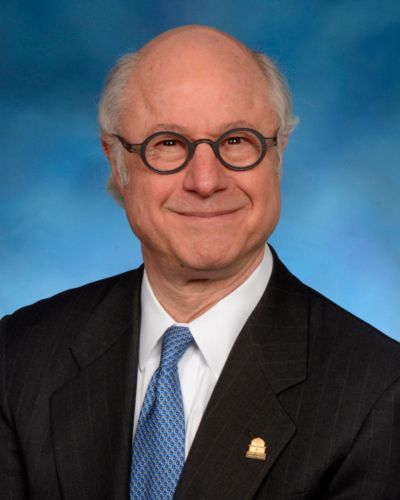
Curt Civin
Dr. Civin is a pioneer in stem cell research and cancer research known internationally for developing a technology to isolate stem cells from other blood cells. The founding director for the University of Maryland’s Center for Stem Cell Biology & Regenerative Medicine, he has received wide recognition for his groundbreaking 1984 discovery of CD34, which has had a major impact on the field of blood research, as well as his mentoring of scientist and physician trainees who have become world leaders.
Dr. Civin’s laboratory has over 4 decades of expertise with comprehensive cell and molecular biologic studies of normal and malignant hematopoiesis using cell lines, primary human CD34+ hematopoietic stem-progenitor cells, mouse cells, and primary human leukemia cells. His own current research focuses on the roles of key molecules including microRNAs and their targets in normal and leukemic stem-progenitor cells, on targeting leukemias, and on applying new bioengineering technologies to problems in hematology and oncology.
“One of the great pleasures in my life as a professor, scientist, and physician is to watch these highly talented and supremely dedicated young summer students develop into accomplished professionals. Just this past week, I enjoyed visits from 2 former trainees. The first, who won prizes for her summer research with us, is now a 4th year med student at UMSOM in the midst of her internship applications. The other, a brand-new 1st year UMSOM student, was also acclaimed as a trainee. She had just finished her first set of med school exams. Both these young physicians-to-be spoke with voices that were much stronger and more confident than the tentative voices they used when they were just “kids” in the lab. Now, they are on a path to be outstanding physician-scientist who might directly care for my friends, family or even me someday and/or might make the next breakthrough in stem cell or cancer research. We all will be in such good hands!”
-Curt Civin, 2026
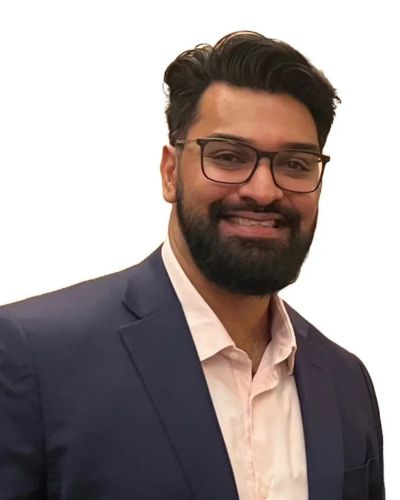
Vivek Ganesh
Co-Founder and Co-CEO of Neurava, a Baltimore-based company with the mission to develop and deliver breakthrough wearable technology that can fundamentally transform outcomes in areas of unmet clinical need.
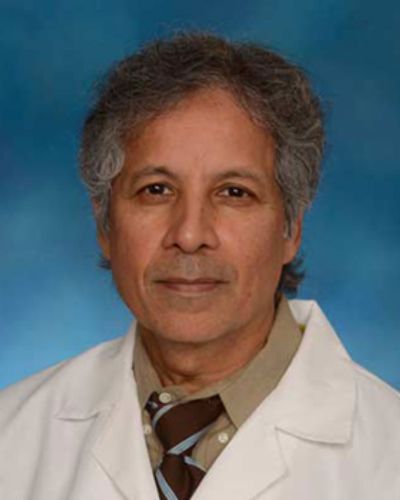
Arif Hussain
Dr. Hussain’s research is in cell signaling in cancer cells and in drug resistance mechanisms, particularly in prostate cancer, with the long-term goal of identifying strategies to overcome resistance pathways and improve the efficacy of multi-targeted treatments in advanced prostate cancer. Another area of active, ongoing work is related to population-based studies using national registry datasets to better understand patient demographics, treatment patterns and potential disparities in treatment outcomes in cancer.
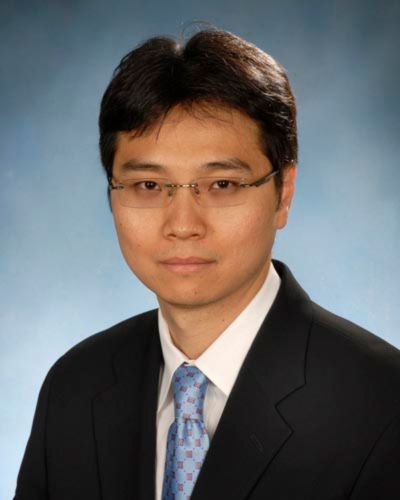
Anthony Kim
As Director of the Nanotherapeutics Laboratory and Co-Director of the Translational Therapeutics Research Group (TTRG), Dr. Kim's research focuses on developing translational nanomedicine for brain, breast, and other cancers. This is achieved through a collaborative team of engineers, basic scientists, and clinicians to spur innovation at the interface of biomedical engineering and clinical medicine. Towards this goal, his team will (1) identify and characterize the rate-limiting extra- and intracellular barriers by applying innovative biophysical tools and (2) develop advanced therapeutic platforms that overcome these barriers to improve therapeutic outcomes.
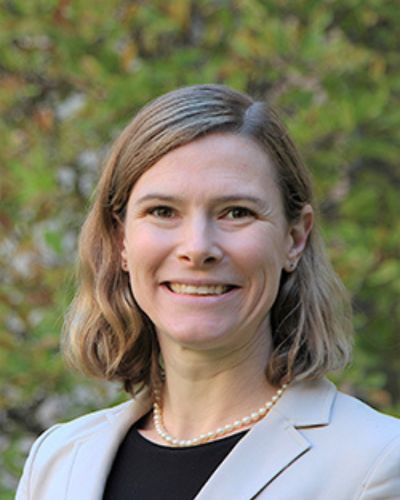
Amber Kleckner
Dr. Kleckner is a nutrition scientist who is working to solve pressing problems in supportive care in cancer. Patients with cancer experience debilitating symptoms of the cancer and side effects of treatment that can, unfortunately, persist long into survivorship. For example, cancer-related fatigue can be so severe that it prevents people from returning their work and hobbies. Dr. Kleckner designs and tests nutritional programs that modulate the quantity, quality, and timing of food to understand how nutrition can help treat these symptoms. She also studies the metabolic and mitochondrial mechanisms underlying cancer-related fatigue to help understand its mechanistic underpinnings and tailor nutritional programs accordingly.
“I want my interns to take home one thing from their research experience: the answer to the questions that their research mentors are asking cannot be Googled; we don’t know the right answer. Any findings they have from their research projects are discoveries that no one has found before. As future PhD-trained researchers or clinician-scientists, there is an art in asking the right questions and designing the right study in order to best move the field forward. All us NSIP mentors are doing research that we hope will make a measurable improvement in the lives of cancer survivors, and they can do that, too!”
-Amber Kleckner, 2026
Vikas Kundra
Dr. Kundra’s clinical activities focus on abdominal imaging, particularly CT and MR. He spends a good portion of his time in research-related activities and has received federal, institutional, and industry funding since 2003. A principal area of interest is deploying imaging methods to personalize nanoparticle chemotherapy. He holds several patents, issued and pending, in the United States and abroad for somatostatin receptor-based imaging and therapy, including for imaging of delivered gene expression with applications such as in gene and cellular therapy. He is the coauthor of over 100 peer reviewed original research publications. Recently Dr. Kundra was awarded a five year ~$3.1 million RO1 grant from the National Cancer Institute for "Multimodal Imaging and Therapy of Ovarian Cancer." He and his team will test the accuracy of proposed methods for detecting ovarian tumor implants and hypothesize that pre-surgical MR imaging and surgical optical imaging/photodestruction employing DM-Dual-Gd-based nanoparticles can improve overall survival. This proposal seeks to create a new paradigm for approaching ovarian cancer that enables presurgical planning, surgical resection, and tumor photodestruction after a single nanoparticle injection.
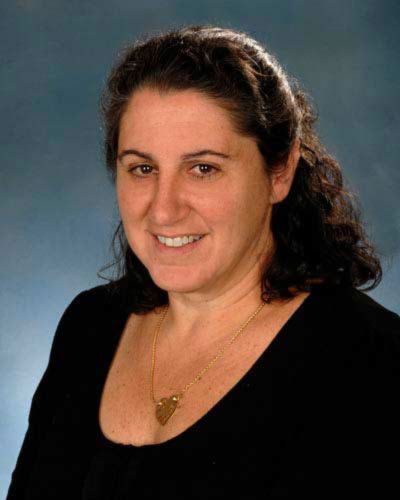
Rena Lapidus
Dr. Lapidus is the Co-Director of the Translational Laboratory Shared Resource (TLSR) at UMGCC that plays a critical role in ‘translating’ novel drugs from bench to bedside. We interact with clinicians and pre-clinical investigators to produce preclinical data both in vitro and in vivo in order to generate grants for research or LOIs for clinical trials. In vitro studies include proliferation and cell death assays, IC50 generation, apoptotic assays, Western analysis among others. In vivo studies include maximum tolerated dose studies, pharmacokinetic studies (dosing of mice/plasma isolation) and cancer efficacy and pharmacodynamic studies. Specifically, this laboratory has tested novel agents alone and in combination both in vitro and in vivo. We have developed many novel flank, orthotopic and primary xenografts models to test novel compounds in cancer. Our laboratory is equipped with the tools necessary to generate in vivo oncology data for preclinical investigators. The TLSS also possesses an umbrella Animal Use protocol that is approved for oncology studies with UMBs IACUC. Overall, the goal is to develop novel compounds that may lead to a Phase I clinical trial.
Kevin Liang
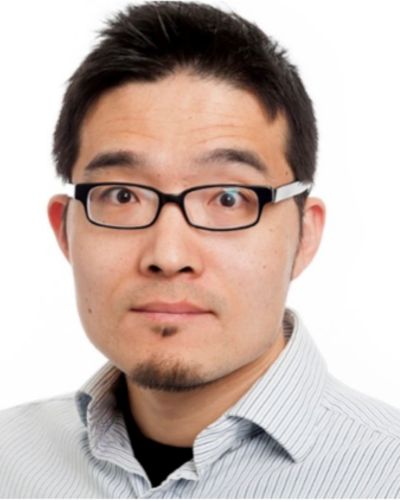
Our laboratory uses advanced intravital two-photon microscopy to visualize physiological and pathological processes in living animals. By combining high-resolution imaging, fluorescent sensors, and light-triggered interventions, we study neural stem cell integration, tumor heterogeneity at single-cell resolution, and the causal roles of molecular and cellular events in disease.
“The most important thing students take away from NSIP is the confidence to think and work like scientists—to ask meaningful questions, approach challenges creatively, and recognize that setbacks are an essential part of discovery. I hope the experience inspires them to remain curious and pursue opportunities they may not previously have imagined possible.”
-Kevin Liang, 2026
Victoria Marchese
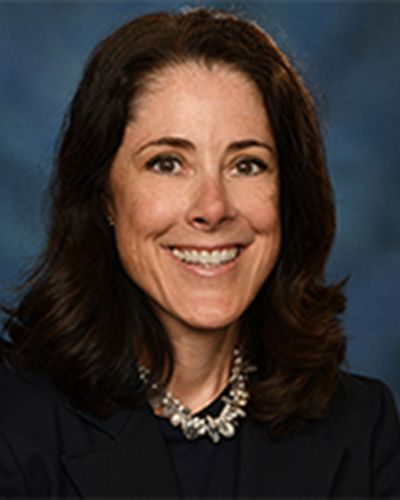
Victoria Marchese, PT, PhD, FAPTA, was appointed chair of the Department of Physical Therapy and Rehabilitation Science at UMSOM. She brings more than 25 years of clinical and research experience in pediatric physical therapy and rehabilitation science. Dr. Marchese has authored numerous book chapters and peer-reviewed publications on assessment and therapeutic interventions for children with hematological/oncological conditions. Her research focuses on the complex interplay of physiological mechanisms underlying physical performance and activity in children, adolescents, and young adults.
"The enthusiasm and interest in our future healthcare professionals inspires me to open my lab to NSIP interns."
-Toni Marchese, 2026
Bolni Naglo
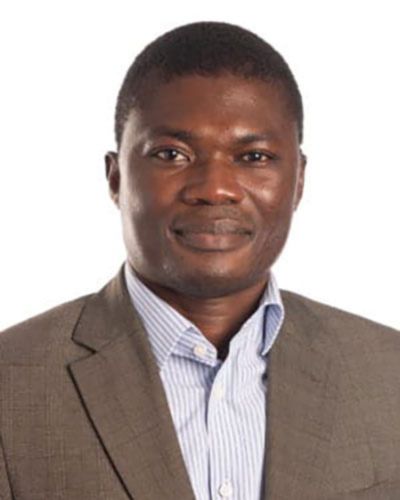
Dr. Nagalo is a translational oncologist and virotherapist developing next-generation oncolytic vesiculoviruses to overcome immunotherapy resistance in hepato-pancreato-biliary and colorectal cancers. Dr. Nagalo leads a research program at the University of Maryland Marlene and Stewart Greenebaum Comprehensive Cancer Center focused on programmable viral vectors that remodel the tumor microenvironment, enhance neoantigen-driven immunity, and synergize with immune checkpoint blockade.
“NSIP shows students that science is meaningful, exciting, and within their reach. Having benefited from similar programs, I understand their impact and want to provide that opportunity to others. As a mentor, I create a supportive, trusting environment where students can grow. I want my students to have the confidence to say, “I can do this.” Their success brings me greater joy than my own.”
-Bolni Naglo, 2026
Ryan Pearson
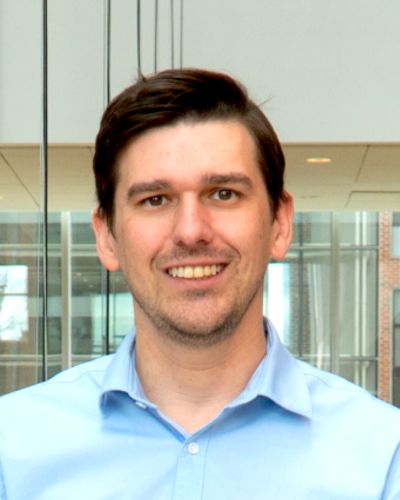
The Pearson Lab for Immunomodulatory Biomaterials develops biomaterial-based strategies to understand and control dysregulated immune responses. At the intersection of nanotechnology, immune engineering, and immunometabolism, the lab engineers nanomaterial and immune-cell identity to modulate inflammation and improve therapeutic responses in diseases including asthma, sepsis, obesity, autoimmunity, and cancer.
Minhaj Siddiqui
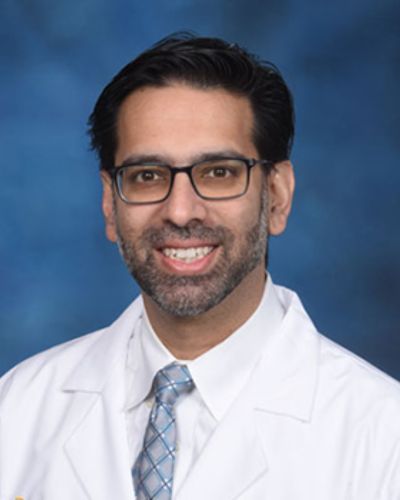
Dr. Mohummad Siddiqui is a fellowship-trained specialist in Urologic Oncology and Robotic Surgery. He specializes in the surgical management of urologic cancers such as prostate, bladder, kidney, and testicular cancer. Dr. Siddiqui is dedicated to providing the highest quality, cutting-edge care to his patients while minimizing the impact that treatment has on their quality of life. He utilizes the DaVinci robot when appropriate for his surgical procedures, but he also values the opinion that in cases when a disease can be managed without surgery (such as with active surveillance) or with minimal intervention such as with prostate focal therapy with MRI guidance, these options may be the best treatment path for the patient. We are actively developing a program in focal therapy of the prostate investigating approaches such as focal brachytherapy, HIFU, IRE (irreversable electroporation) and cryotherapy.
“It’s been a true pleasure working with NSIP students over the years! The NSIP program is a wonderful, well organized and thought-out opportunity that seeks to develop students in every dimension ranging from basic lab skills, exposure to top-tier lectures, clinical medicine rotation, building a peer community of like-minded ambitious individuals, and working in some very productive, cutting-edge labs! It’s been awesome seeing students emerge from this program more confident and knowledgeable, with accomplishments that enabled them to great success afterwards!”
- Minhaj Siddiqui, 2026
Nevil Singh
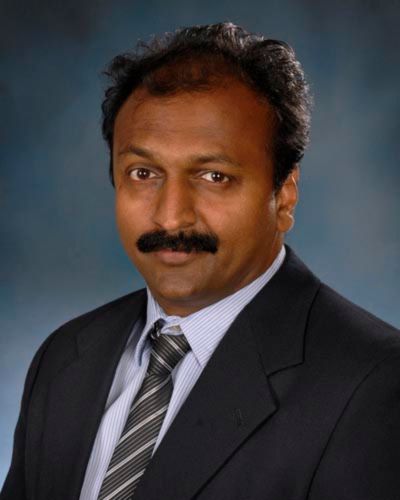
The projects in the Singh laboratory investigate how immune cells ensure host protection while avoiding autoimmunity. The problems we think about are largely in the area of cellular "decision-making". For example - How does a T cell know whether its target is from a dangerous pathogen or the body's own cells? How does it decide on what kind of response to make? Once T cells initiate an assault, when and why do they decide to stop? How do some T cells manage to stay around for long after an infection is resolved (and offer better protection if the pathogen should return)?
David Weber
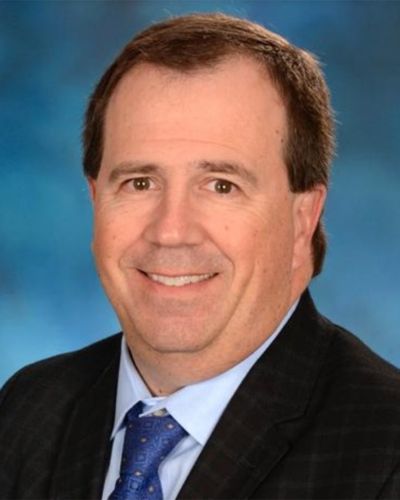
As director of the Center for Biomolecular Therapeutics (CBT) at the University of Maryland, Dr. Weber manages state-of-the-art scientific studies that examine mechanisms involved in disease states and then develops drugs to treat them. Structural biology techniques used are NMR, X-ray crystallography, and single particle cryoEM, as are other biophysical, biochemical, and molecular biology methods for answering mechanistic questions at atomic resolution. Major findings of the lab show how dynamic properties affect biomolecular complexes, including their high degree of specificity, allostery, and functional folding processes associated their biological output(s). The answers to these basic science questions directly impact the therapeutic development projects ongoing. Of major interest is to understand how protein complexes in normal and disease states are regulated. Dr. Weber’s laboratory is one of many in the CBT developing small-molecule inhibitors geared to treat diseases, including in cancer, diabetes, and infectious disease.
Min Yu
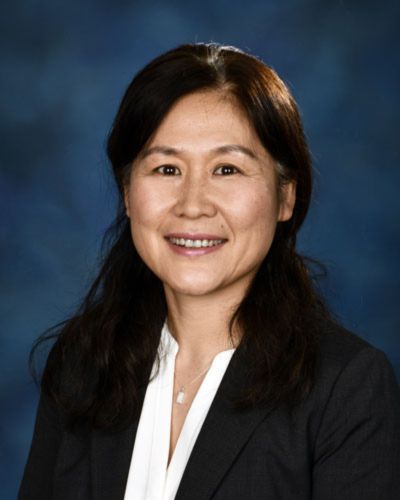
Dr. Yu's laboratory is interested in understanding the genetic, epigenetic and microenvironmental regulations of circulating tumor cells (CTCs) that lead to initiation of cancer metastasis in various organs. The overarching goal is to be able to utilize CTCs from blood samples of cancer patients as a non-invasive “liquid biopsy” to inform the prognostic and therapeutic interventions for metastasis.